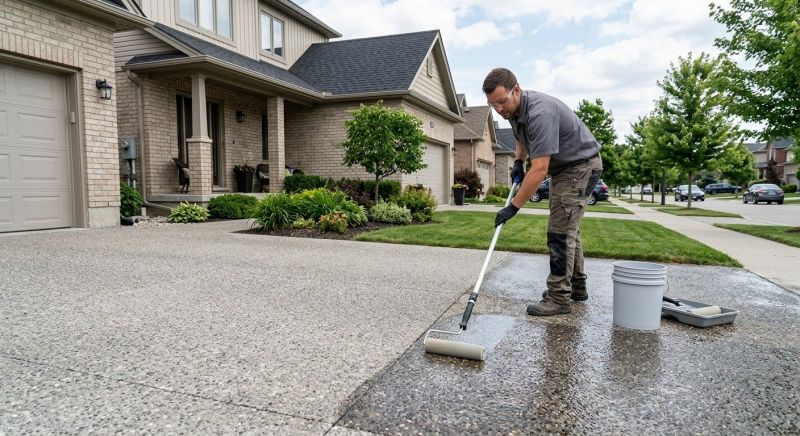
Aggregate Sealing in Seattle, WA
Aggregate sealing services involve applying a protective coating to paved aggregate surfaces such as driveways, walkways, patios, and other hardscaping features. This process helps to prevent damage caused by water penetration, freeze-thaw cycles, and general wear and tear, extending the lifespan of the surface. Property owners often seek this service to enhance the durability and appearance of their outdoor spaces, ensuring that aggregate surfaces remain intact and visually appealing over time.
Before requesting aggregate sealing, property owners typically want to understand the types of sealants used, the suitability for their specific surface, and any preparation steps needed prior to application. It’s also common to inquire about the expected benefits, maintenance requirements afterward, and whether the sealant will impact the surface’s texture or color. Clarifying these details helps ensure the sealing process meets the specific needs of the property and provides long-lasting protection.
Many property owners in Seattle, WA look into Aggregate Sealing for repairs, replacements, upgrades, and appearance-related improvements.
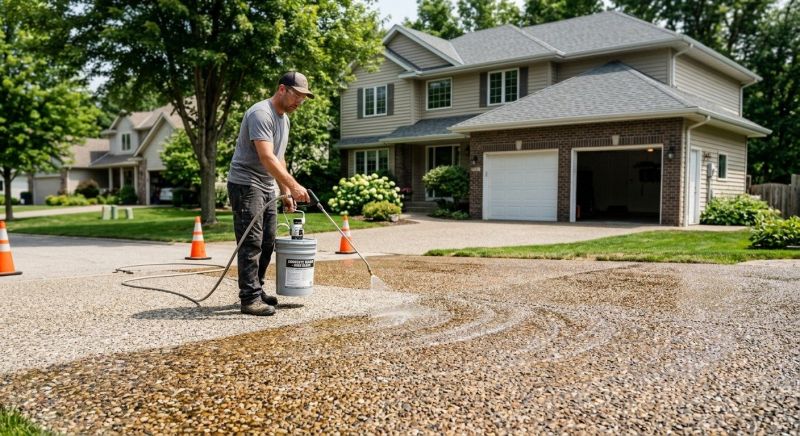
Benefits Of Aggregate Sealing
Sealing aggregates helps prevent weed growth and reduces surface erosion on driveways and pathways.
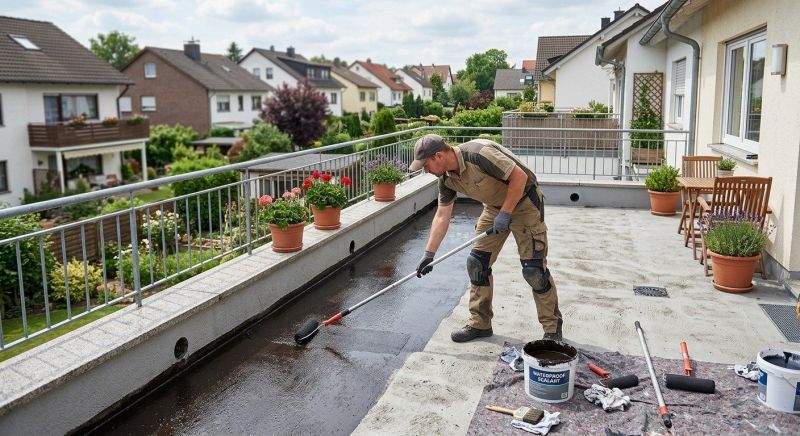
Common Applications
Aggregate sealing is often used on residential driveways, walkways, and commercial parking areas in seattle and surrounding areas.
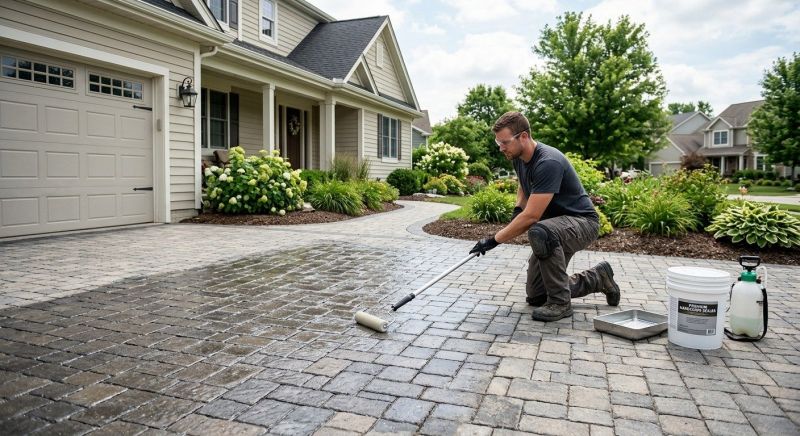
Maintenance And Care
Proper sealing extends the lifespan of aggregate surfaces and maintains their appearance over time.
Aggregate Sealing in Seattle, WA
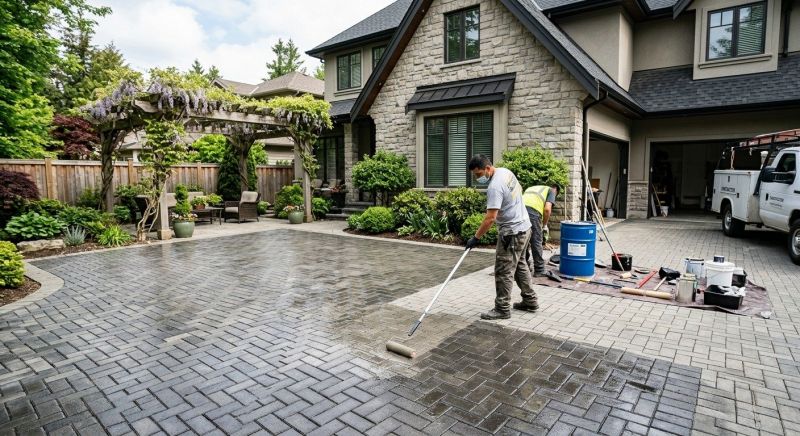
Aggregate sealing services involve applying a protective coating to paved aggregate surfaces such as driveways, walkways, patios, and other hardscaping features. This process helps to prevent damage caused by water penetration, freeze-thaw cycles, and general wear and tear, extending the lifespan of the surface. Property owners often seek this service to enhance the durability and appearance of their outdoor spaces, ensuring that aggregate surfaces remain intact and visually appealing over time.
Before requesting aggregate sealing, property owners typically want to understand the types of sealants used, the suitability for their specific surface, and any preparation steps needed prior to application. It’s also common to inquire about the expected benefits, maintenance requirements afterward, and whether the sealant will impact the surface’s texture or color. Clarifying these details helps ensure the sealing process meets the specific needs of the property and provides long-lasting protection.
Many property owners in Seattle, WA look into Aggregate Sealing for repairs, replacements, upgrades, and appearance-related improvements.
Common Aggregate Sealing Jobs
Foundation Sealing - helps prevent water intrusion and reduces basement dampness.
Driveway Sealing - protects asphalt surfaces from cracking and weather damage.
Concrete Sealing - enhances durability and maintains the appearance of concrete surfaces.
Garage Floor Sealing - guards against stains, moisture, and wear in garage spaces.
Patio and Deck Sealing - preserves wood and stone surfaces from moisture and UV damage.
Sealing for Commercial Properties - provides long-lasting protection for various outdoor surfaces.
Aggregate Sealing Questions
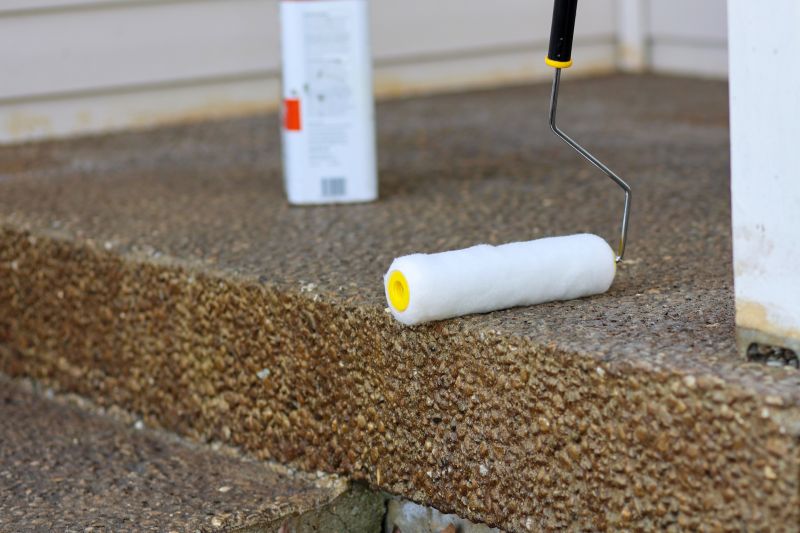
What is aggregate sealing? Aggregate sealing involves applying a protective layer over exposed gravel or stone surfaces to prevent erosion and maintain appearance.
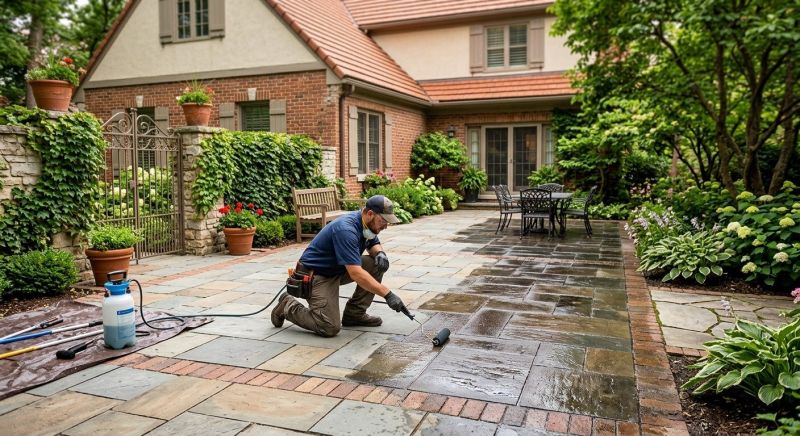
Which surfaces benefit from aggregate sealing? Driveways, pathways, and decorative stone areas are common surfaces that benefit from sealing to enhance durability.
How does aggregate sealing improve property maintenance? Sealing helps reduce weed growth, minimizes dust, and protects against stains and weather damage.
Is aggregate sealing suitable for all types of gravel or stone surfaces? It is suitable for most common gravel and stone surfaces, especially those exposed to foot or vehicle traffic.
Request Aggregate Sealing in Seattle, WA
Use the quote form on this page to share the basics of your project and request more information for the type of work you need.